Calm Parenting Tips for Bedtime Battles: A Step-by-Step Guide
CD
Bedtime can be a challenging time for parents and children alike. However, with some calm and effective strategies, you can transform bedtime battles into peaceful routines. Here are some tips to help you establish a serene bedtime environment that encourages restful sleep.
Establish a Consistent Routine
Consistency is key when it comes to bedtime. Create a predictable routine that signals to your child that it's time to wind down. This could include activities like taking a bath, brushing teeth, and reading a story. By sticking to the same order every night, your child will know what to expect, making the transition to sleep smoother.

Consistency helps reduce anxiety and resistance, as children find comfort in knowing what comes next. Start the routine at the same time each night to reinforce the habit and help your child's internal clock adjust.
Create a Calm Environment
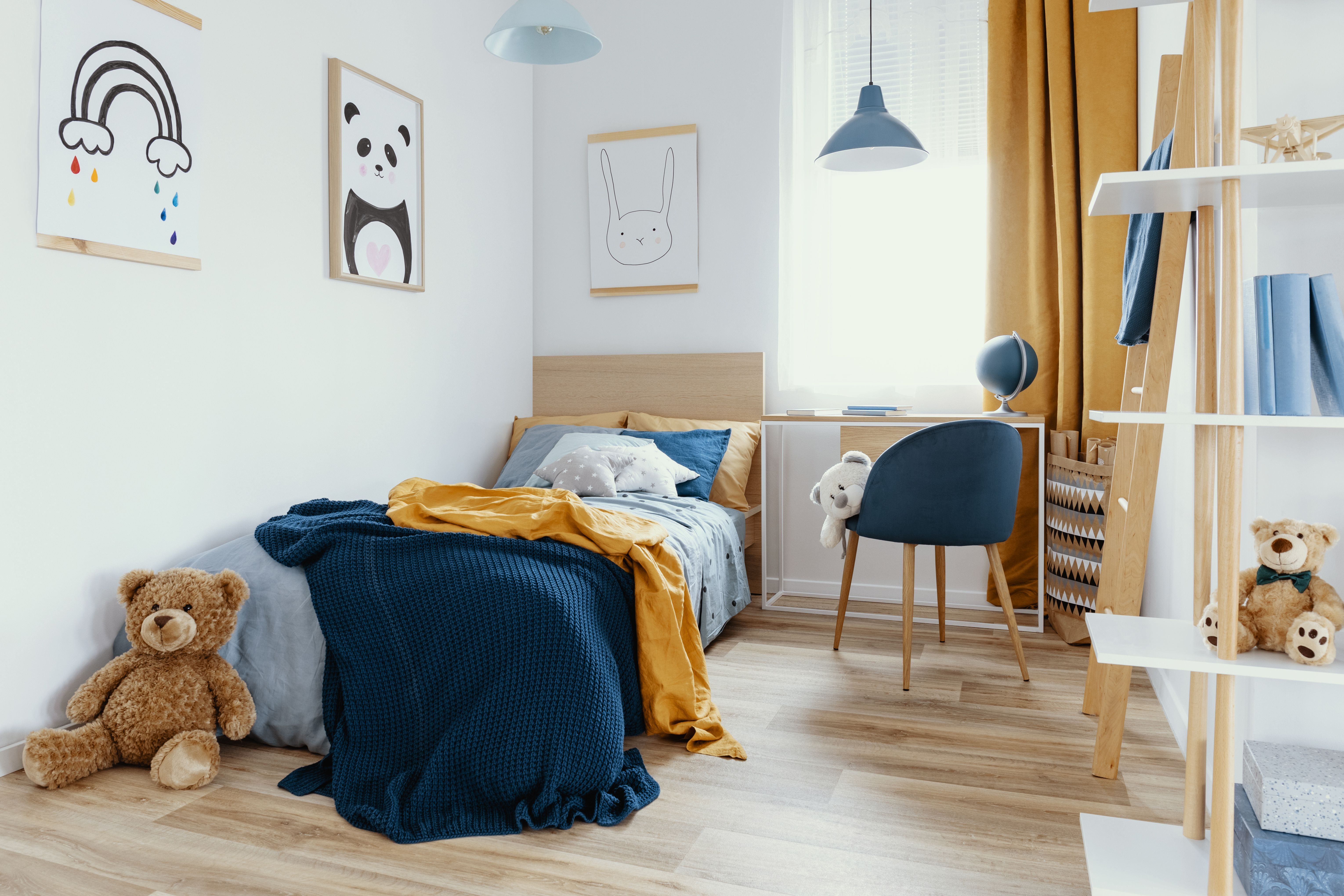
The bedroom should be a sanctuary for sleep. Keep it cool, quiet, and dark to promote relaxation. Consider using blackout curtains, white noise machines, or a fan to create the ideal sleeping environment. Limiting screen time at least an hour before bed can also help, as the blue light from devices can interfere with the production of the sleep hormone melatonin.
Personalize the Space
Let your child have a say in decorating their room. Choosing their bedding or nightlight can make them feel more comfortable and in control, which can reduce bedtime resistance.
Use Gentle Communication
How you communicate with your child at bedtime can greatly impact their willingness to go to sleep. Use a calm and soothing voice to explain the importance of rest and how it helps them grow strong and healthy. Avoid power struggles by offering limited choices, such as which book to read or which pajamas to wear.
Set Clear Expectations
Clearly outline what is expected at bedtime. For example, "After we read a story, it's time to turn off the lights and go to sleep." Be firm but gentle, and praise your child when they follow the routine as expected.

Practice Patience and Understanding
Even with the best routines, some nights will be more challenging than others. Practice patience and try to understand the reasons behind your child's reluctance to sleep. It could be fear, anxiety, or simply wanting more attention. Address these needs with empathy and reassurance.
Remember, every child is different, and what works for one may not work for another. Be willing to adjust your approach as needed, and give it time. With consistency and love, bedtime can become a cherished part of your day.