Debunking Myths: You Don’t Need Meditation for a Calmer Home
CD
Introduction
In recent years, meditation has become synonymous with achieving peace and tranquility at home. While it's a valuable practice, it's crucial to recognize that it's not the only path to creating a serene household. Let's explore alternative ways to foster a calm environment without meditating.
Understanding Your Environment
A calm home starts with understanding the dynamics of your environment. Observing the flow of your daily activities and identifying stress triggers can significantly help. Sometimes, rearranging furniture or decluttering spaces can lead to a more harmonious living area.
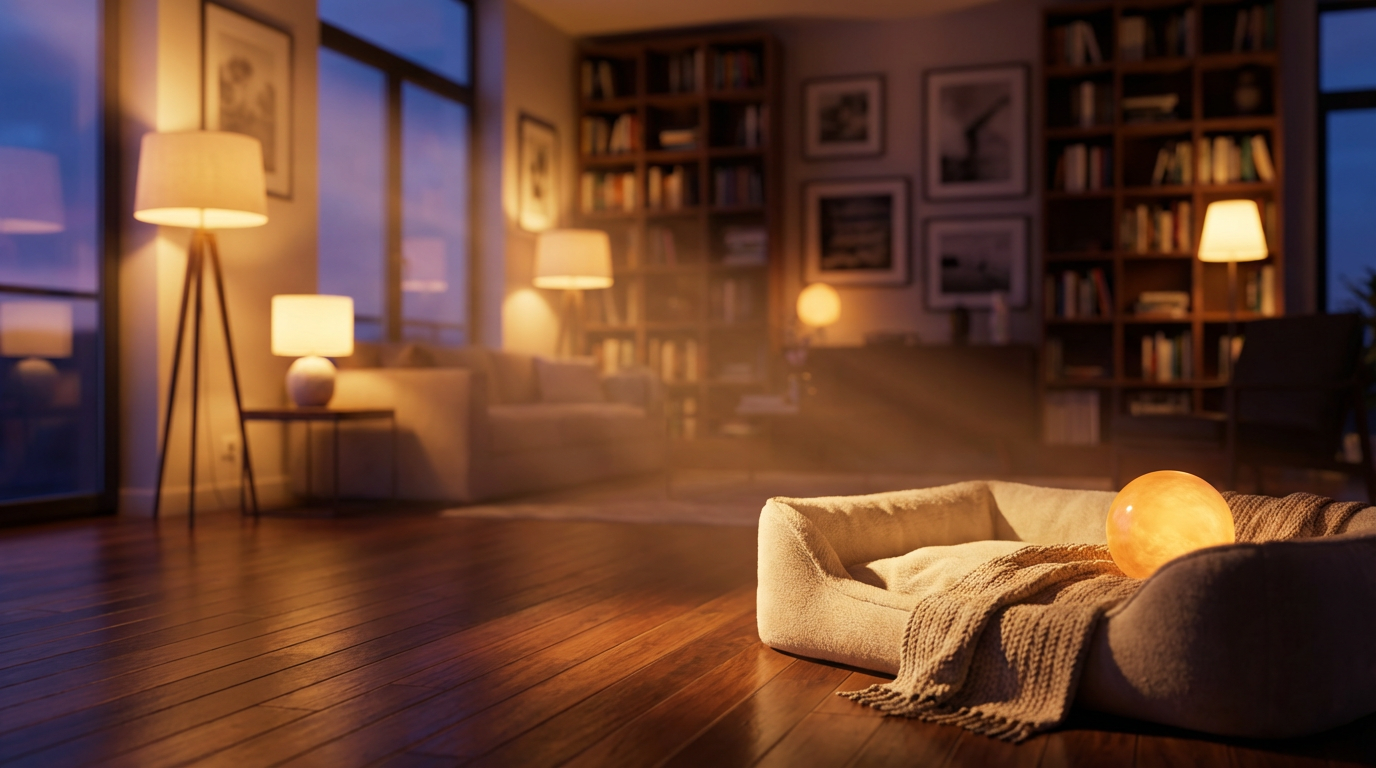
Consider the colors and lighting in your home as well. Soft, warm lighting and calming colors like blues and greens can naturally reduce stress levels. Experiment with different settings to find what works best for you.
Incorporating Nature
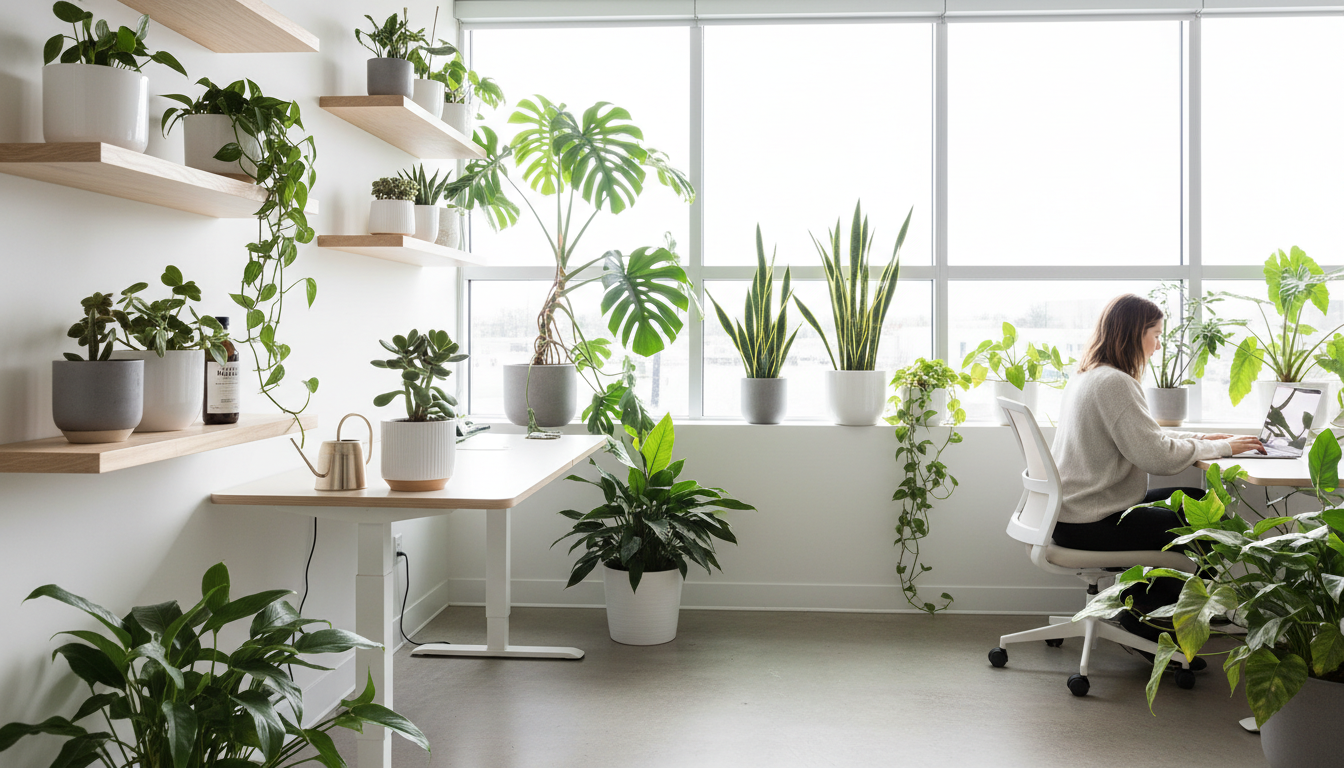
Bringing elements of nature inside your home can have a profound calming effect. Houseplants not only purify the air but also add a sense of tranquility. Choose low-maintenance plants like succulents or ferns to effortlessly enhance your space.
Natural materials such as wood or stone can also create a grounding atmosphere. Consider incorporating these materials into your furniture or decorative items to establish a connection with nature.
Mindful Listening
Music and sound have a powerful impact on our mood. Curate a playlist of soothing music or nature sounds to play in the background. This can help mask unwanted noise and create a peaceful auditory environment.
For a more interactive experience, try engaging in activities that require attentive listening, such as audio books or podcasts. This practice can help shift focus away from stressors and promote relaxation.
Engaging in Creative Activities
Creativity is a wonderful outlet for stress and anxiety. Whether it's painting, writing, or crafting, engaging in creative activities can be meditative in its own right. These activities allow you to express emotions and provide a sense of accomplishment.

Even simple tasks like cooking or gardening can be transformed into mindful practices by focusing on the process rather than the outcome. This shift in perspective can lead to a more peaceful home environment.
Building Strong Connections
Relationships play a crucial role in the atmosphere of your home. Open communication and spending quality time with loved ones can strengthen bonds and create a supportive environment. Consider setting aside time for family activities or discussions to nurture these connections.
Additionally, establishing boundaries and respecting each other's personal space can prevent conflict and contribute to a calmer home.
Conclusion
While meditation is a powerful tool for achieving inner peace, it's not the only way to cultivate a serene home. By understanding your environment, incorporating nature, engaging in creative activities, and building strong relationships, you can create a calming sanctuary without needing to meditate.
Remember, the ultimate goal is to find what works best for you and your household. Embrace the journey towards a calmer home with an open mind and a willingness to explore new strategies.