Effective Communication with Kids: Listening and Understanding
CD
Introduction
Effective communication with kids is essential for building strong relationships and fostering a nurturing environment. By focusing on listening and understanding, parents and caregivers can create meaningful connections that support a child's emotional and intellectual growth.
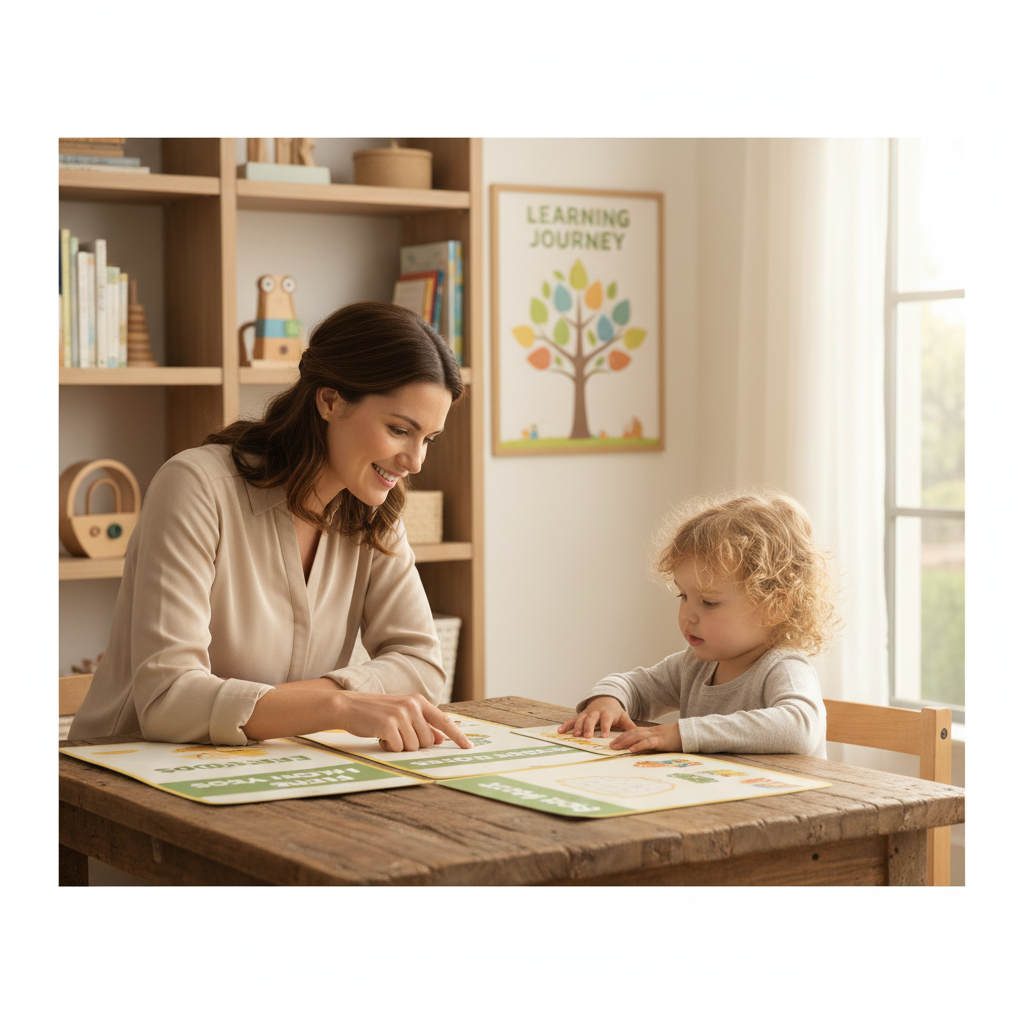
Why Listening Matters
Listening goes beyond just hearing words; it involves understanding the emotions and intentions behind those words. When children feel heard, they are more likely to express themselves openly, leading to better problem-solving and stronger self-esteem.
Active listening requires attention and empathy. This means putting down distractions, maintaining eye contact, and responding appropriately to what your child is saying. By doing so, you demonstrate that their thoughts and feelings are valued.
Strategies for Active Listening
Consider these strategies to improve your active listening skills:
- Be present: Set aside time to focus solely on your child, free from other distractions.
- Show empathy: Reflect on their feelings and express understanding.
- Ask open-ended questions: Encourage your child to share more by asking questions that require more than a yes or no answer.

Understanding Your Child's Perspective
Understanding a child's perspective involves recognizing their unique viewpoint and developmental stage. Children often see the world differently from adults, and acknowledging this can help you connect more deeply.
Empathy plays a critical role in understanding. By putting yourself in your child's shoes, you can better appreciate their experiences and challenges. This understanding fosters trust and strengthens your bond.
Encouraging Open Communication
Open communication is key to understanding your child's needs and concerns. Encourage them to share their thoughts by:
- Creating a safe space: Ensure your child feels comfortable expressing themselves without fear of judgment.
- Validating their feelings: Acknowledge their emotions, even if you don't agree with them.
- Being patient: Give them time to articulate their thoughts and feelings.

Conclusion
Effective communication with kids is a cornerstone of healthy relationships and development. By prioritizing listening and understanding, you can create a supportive environment where children feel valued and heard. Implement these strategies to enhance your communication skills and strengthen your connection with your child.