How to Create a Calmer Home with Step-by-Step Parenting Strategies
CD
Understanding the Importance of a Calm Home Environment
Creating a calm home can significantly impact the well-being of both parents and children. A serene atmosphere helps reduce stress, improves communication, and fosters positive relationships. By implementing effective parenting strategies, you can transform your home into a tranquil space where everyone feels comfortable and relaxed.

Set Clear Expectations and Boundaries
Establishing clear expectations and boundaries is crucial for maintaining harmony. Children thrive on routine and predictability, so ensure they understand the house rules. Communicate these guidelines clearly and consistently to minimize confusion and conflict.
Develop a Consistent Routine
A consistent routine provides structure and stability, helping children know what to expect each day. Create a schedule that includes regular meal times, homework sessions, and bedtime rituals. This predictability can help reduce anxiety and promote a sense of security.
Incorporate Mindfulness and Relaxation Techniques
Introducing mindfulness practices can greatly enhance the calmness of your home. Encourage activities such as deep breathing, meditation, or yoga. These techniques help both children and adults manage stress and develop emotional regulation skills.
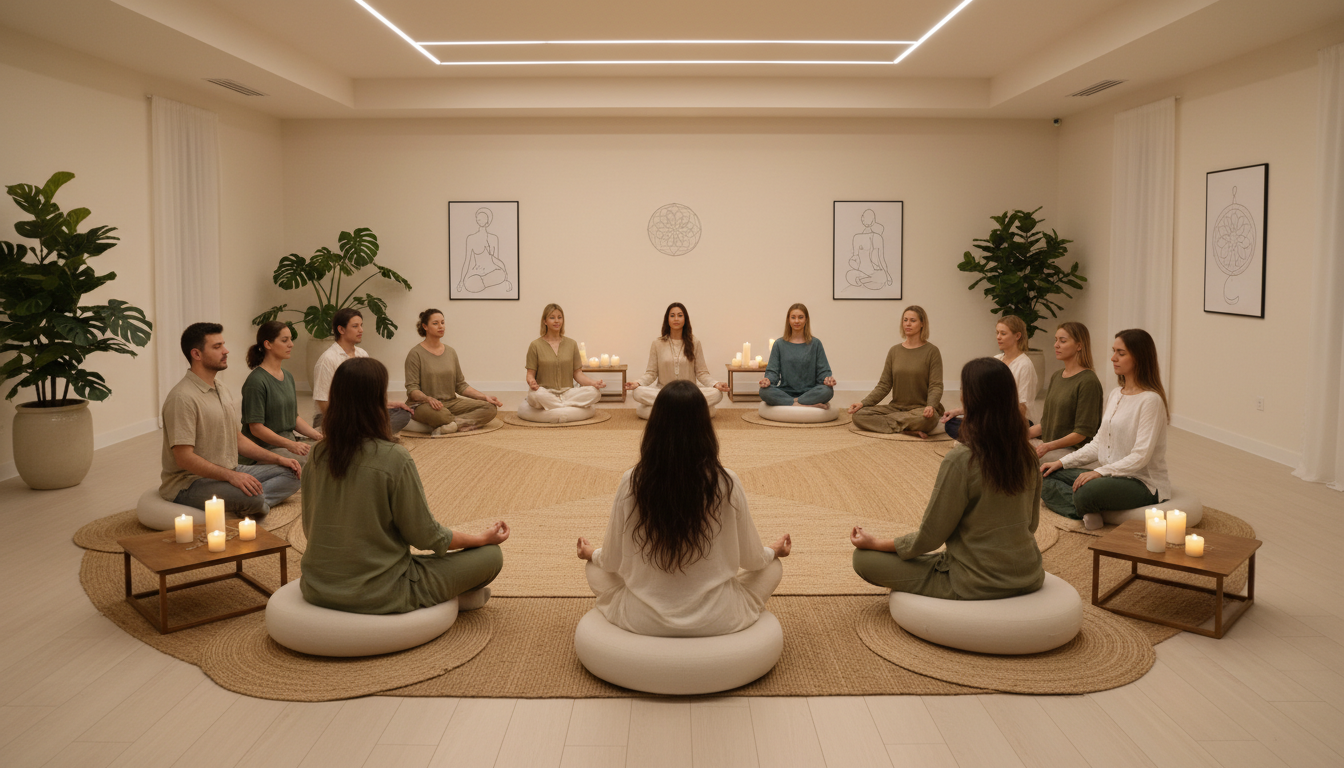
Create a Relaxation Space
Designate a specific area in your home for relaxation. This could be a cozy corner with pillows and blankets where family members can retreat to unwind. Having a dedicated space for relaxation encourages everyone to take breaks and recharge.
Encourage Open Communication
Open communication is essential for resolving conflicts and preventing misunderstandings. Encourage family members to express their feelings and listen actively to one another. This fosters empathy and strengthens family bonds.
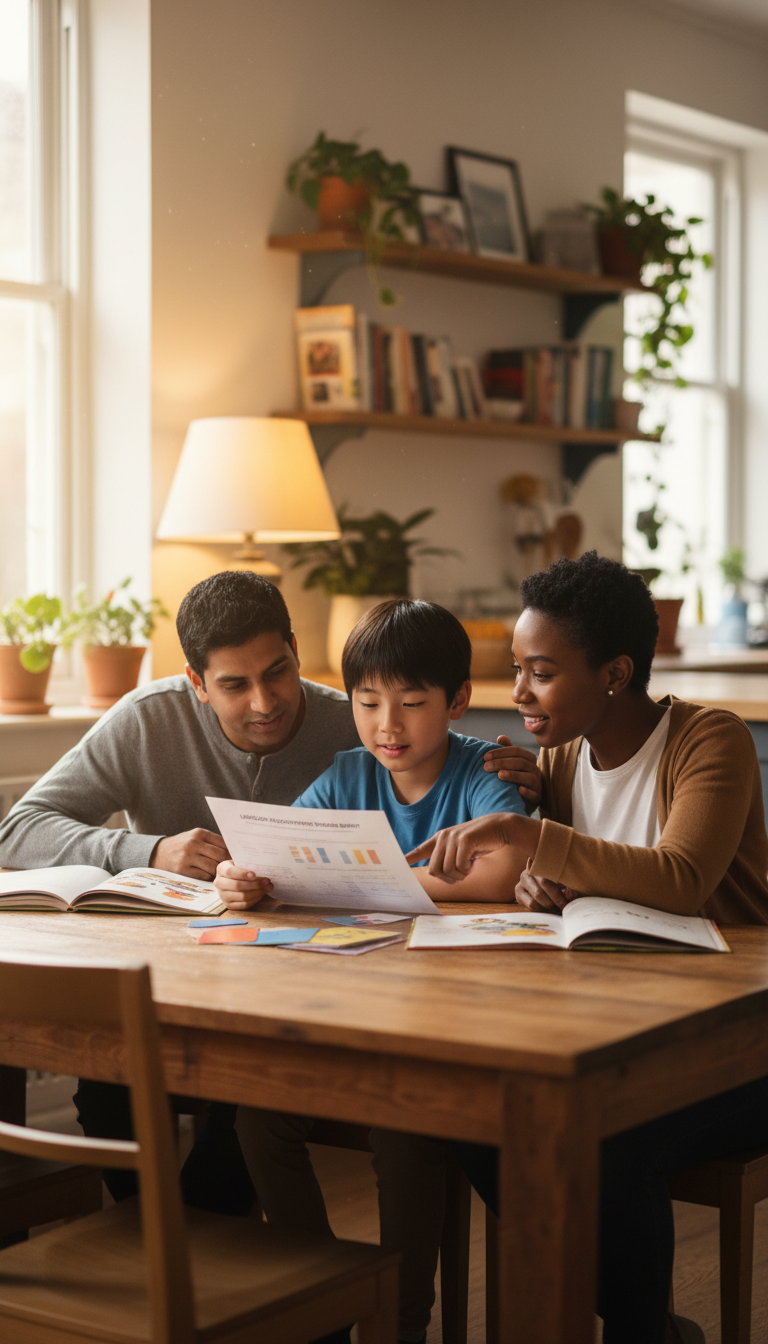
Practice Active Listening
Active listening involves giving your full attention to the speaker and responding thoughtfully. By practicing active listening, you demonstrate respect and understanding, which can help de-escalate tense situations and promote a peaceful atmosphere.
Model Calm Behavior
Children often imitate the behavior of adults, so it's important to model calmness in your interactions. Demonstrate how to handle stress and conflict with composure. Your example will guide your children in developing similar coping mechanisms.
By implementing these strategies, you can create a serene and supportive home environment. This not only benefits your children's development but also enhances the overall quality of family life. Remember, a calm home is a happy home.