How to Implement Calm Parenting Techniques in Chaotic Situations
CD
Understanding Calm Parenting
Parenting can often feel like navigating a storm, but implementing calm parenting techniques can transform chaotic situations into opportunities for growth and connection. Calm parenting is about managing your own emotions to help guide your child's behavior in a positive way. It involves staying composed, even when your child is not.
By adopting these techniques, you can create a more peaceful environment at home, fostering emotional resilience in your child and enhancing your relationship with them. Let's explore some effective strategies to implement calm parenting in challenging situations.

Recognizing Triggers
The first step in calm parenting is to recognize your own triggers. Understanding what irritates or stresses you can help you prepare and respond more effectively. When you are aware of the factors that push your buttons, you can develop strategies to manage them before they escalate.
Consider keeping a journal to track your emotional reactions to your child's behavior. This practice can provide insights into patterns and help you anticipate and diffuse potential conflicts.
Practicing Mindfulness
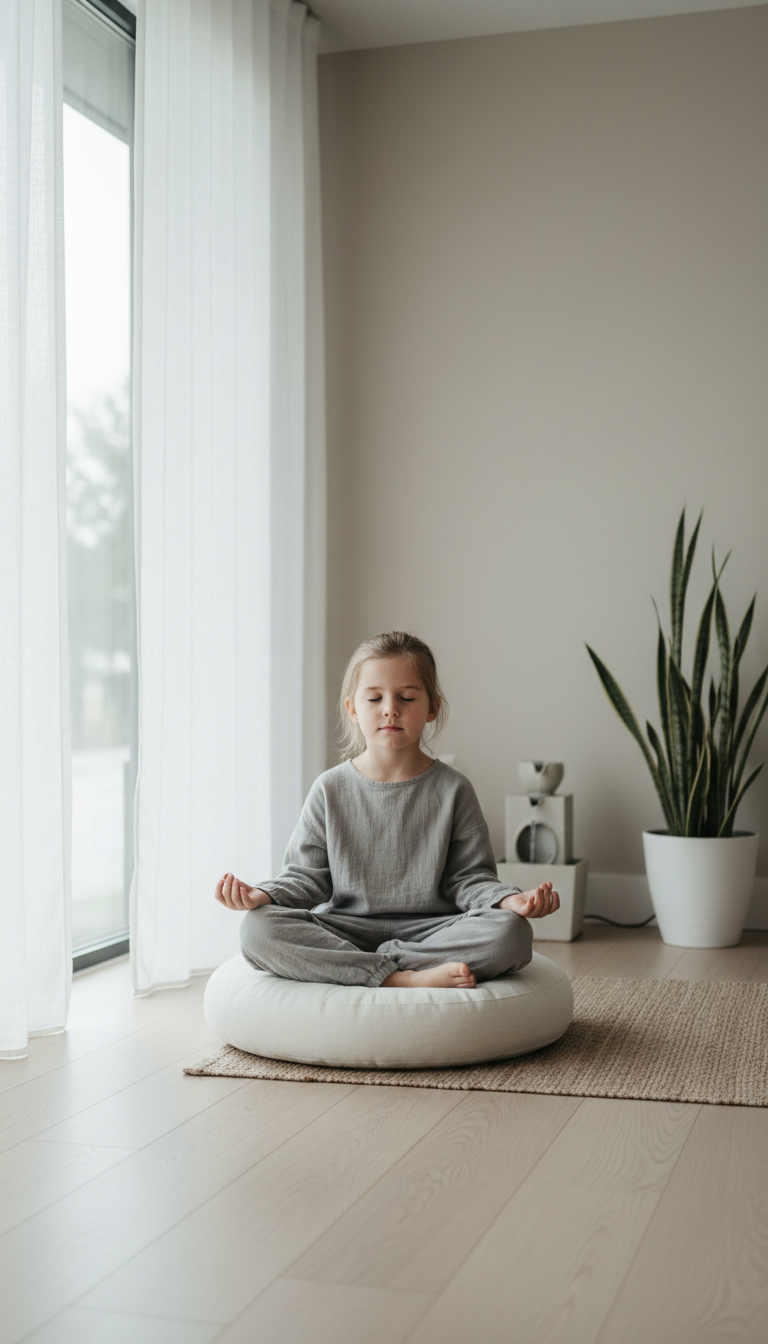
Mindfulness is a powerful tool for maintaining calm. By staying present and focused, you can respond to your child’s needs with empathy and patience. Regular mindfulness exercises, such as deep breathing or meditation, can strengthen your ability to stay calm in the heat of the moment.
Effective Communication
Communication plays a crucial role in calm parenting. When a situation becomes tense, try to communicate clearly and calmly. Use simple, direct language to express your feelings and expectations. Avoid yelling or using harsh words, as these can escalate the situation.
Listening is equally important. Validate your child's feelings by acknowledging their emotions and showing that you understand their perspective. This can help de-escalate the situation and open the door to constructive dialogue.
Setting Boundaries
Boundaries are essential for maintaining a harmonious household. Clearly defined boundaries help children understand expectations and consequences. When setting boundaries, be consistent and fair. This consistency helps children feel secure and understand the limits of acceptable behavior.

Modeling Calm Behavior
Children learn a great deal from observing their parents. Modeling calm behavior shows them how to handle stress and conflict effectively. When you remain composed, you demonstrate that it is possible to handle difficult situations without losing control.
Take moments to reflect on how you react to stress. Practice calmness in your daily interactions, and your child will likely follow your lead, learning to approach challenges with a composed mindset.
Creating a Calm Environment
The environment plays a significant role in how children behave and react. A calm, organized space can reduce stress and promote relaxation. Encourage activities that foster tranquility, such as reading, drawing, or listening to music.
Ensure that your home provides a safe and comforting atmosphere where your child feels free to express themselves without fear of judgment or anger.