Raising Independent Kids: Fostering Self-Sufficiency Through Calm Parenting
CD
Understanding the Importance of Independence
Raising independent kids is a vital aspect of parenting that helps children grow into confident and capable adults. Fostering self-sufficiency in children not only benefits them but also contributes to a more harmonious family dynamic. By encouraging autonomy, parents can help their children develop crucial life skills and a strong sense of responsibility.
Independence doesn't mean letting children navigate life entirely on their own. Instead, it involves providing them with the right tools and guidance to make informed decisions. This approach allows children to learn from their experiences while feeling supported by their parents.
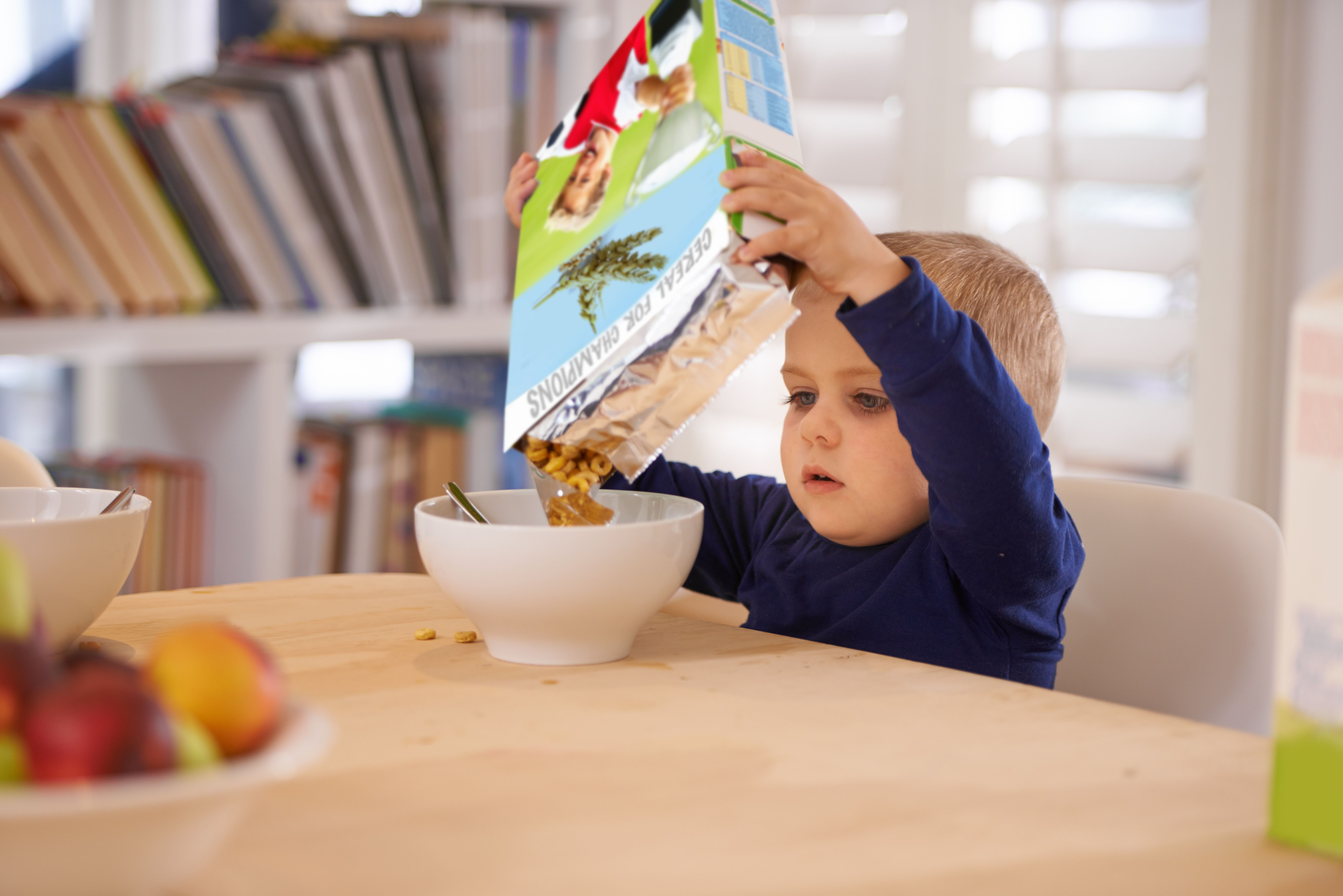
Practicing Calm Parenting
Calm parenting plays a significant role in teaching independence. This approach focuses on maintaining composure and providing a stable environment for children to explore their capabilities. Parents who practice calm parenting tend to communicate more effectively, setting clear expectations and boundaries.
By remaining calm, parents can help their children manage emotions, handle conflicts, and make decisions without feeling overwhelmed. It encourages a sense of security and trust, which is essential for fostering independence.

Encouraging Decision-Making
One of the most effective ways to raise independent children is by encouraging them to make decisions. Start with small choices, such as selecting their clothes or choosing a meal. As they grow, gradually introduce more complex decisions.
This process teaches children how to weigh options and consider consequences, building their confidence in their ability to make sound judgments. It's important to provide guidance and support, but allow them the freedom to make mistakes and learn from them.

Promoting Problem-Solving Skills
Problem-solving is a crucial skill for independence. Encourage children to identify problems and brainstorm solutions. This can be done through activities like puzzles, games, or real-life scenarios.
By guiding them through the problem-solving process, parents can help children develop critical thinking skills. Encourage them to consider different perspectives and potential outcomes, fostering a sense of curiosity and resilience.
Fostering Responsibility
Assigning age-appropriate responsibilities helps children understand the value of contribution and accountability. Chores, for example, teach children about teamwork and the importance of fulfilling commitments.
As children demonstrate their ability to handle responsibilities, gradually increase their tasks. This not only boosts their self-esteem but also prepares them for future challenges. Recognize and praise their efforts to reinforce positive behavior.

Building Confidence and Self-Esteem
Confidence is a cornerstone of independence. Encourage children to pursue their interests and celebrate their achievements, no matter how small. Providing opportunities for them to succeed in various activities builds a strong foundation of self-worth.
It's essential to offer constructive feedback and support, helping them understand that failure is a part of learning. This mindset encourages resilience and a willingness to take on new challenges.
Creating a Supportive Environment
A nurturing environment is key to raising independent kids. Encourage open communication, where children feel comfortable expressing their thoughts and feelings. This openness fosters a sense of belonging and trust.
Support their growth by being a positive role model, demonstrating the values and behaviors you wish to instill. By providing a balance of guidance and freedom, parents can effectively nurture independence in their children.