The Art of Listening: Strengthening Parent-Child Connections
CD
The Importance of Listening in Parenting
In today's fast-paced world, the art of listening has become more crucial than ever, especially in the context of parent-child relationships. Effective listening can significantly strengthen the bond between parents and children, fostering trust and mutual understanding. It's more than just hearing words; it's about understanding emotions and unspoken messages.
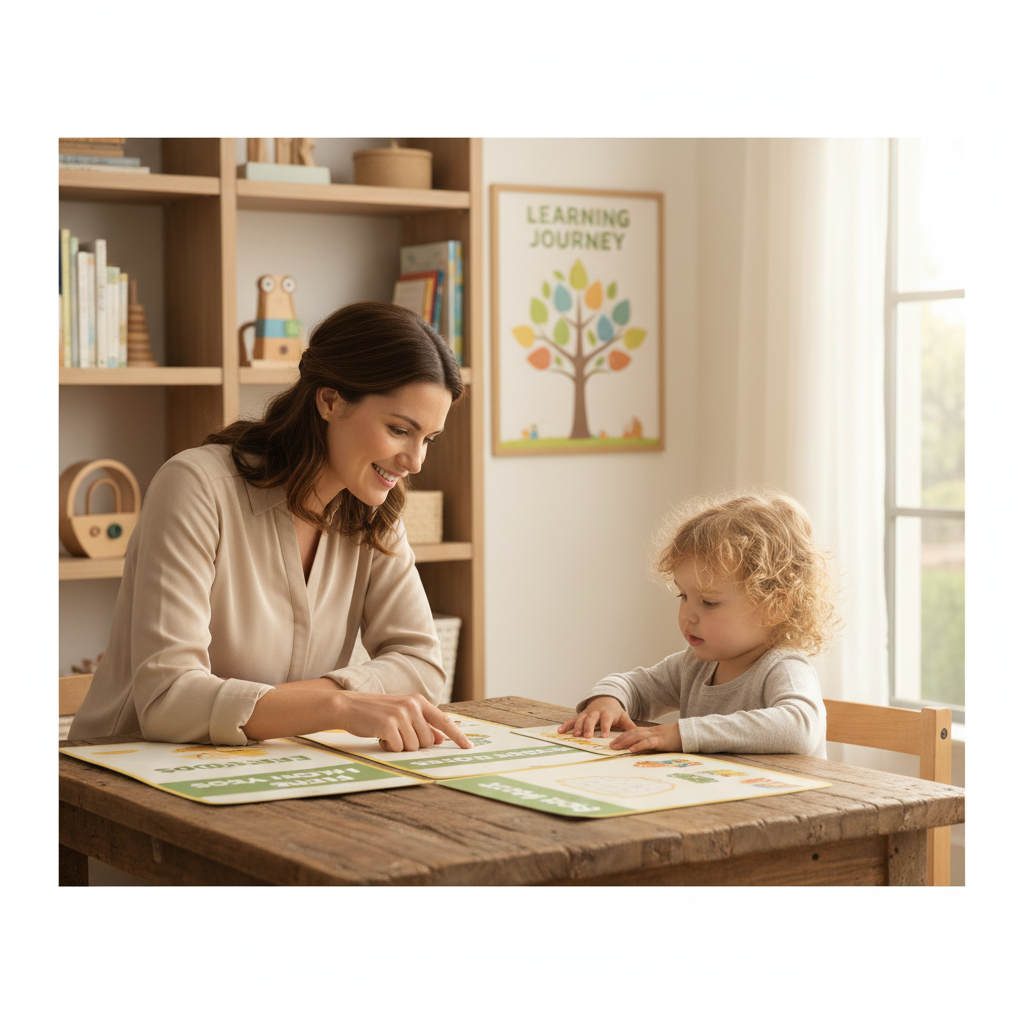
Listening actively to your child shows them that their thoughts and feelings are valued. This, in turn, boosts their self-esteem and confidence, encouraging open communication. By making listening a priority, parents can create a safe space where children feel comfortable expressing themselves.
Techniques for Effective Listening
To become a better listener, parents can adopt several techniques that promote genuine engagement.
- Active Listening: This involves paying full attention, nodding, and responding appropriately to show understanding.
- Reflective Listening: Repeat back what your child says to confirm understanding and show empathy.
- Open-Ended Questions: Encourage your child to share more by asking questions that require more than a yes or no answer.

These techniques not only help in understanding your child's perspective but also teach them how to listen actively, creating a reciprocal relationship of respect and empathy.
Overcoming Barriers to Listening
Despite the benefits, there are common barriers that can hinder effective listening. Distractions like technology, multitasking, and stress can prevent parents from fully engaging with their children. It's essential to recognize these barriers and find ways to minimize them.
Setting aside dedicated time for conversations, turning off devices, and practicing mindfulness can greatly improve listening skills. By prioritizing these moments, parents can ensure that they are fully present and attentive.
The Impact on Emotional Development
Listening plays a significant role in a child's emotional development. When children feel heard, they learn to articulate their emotions better and develop emotional intelligence. This skill is crucial for navigating relationships and challenges throughout life.
Moreover, children who experience positive listening interactions are more likely to develop strong social skills and a healthy sense of self-worth. This foundation is invaluable as they grow and face new experiences.
Building a Culture of Listening
Creating a household culture that values listening involves setting an example. Parents should model the behavior they wish to see by practicing active listening in all interactions. This consistency reinforces the importance of listening and encourages children to adopt similar habits.
Additionally, discussing the value of listening and its impact on relationships can further reinforce its importance. Families can engage in activities that promote listening skills, such as storytelling and group discussions.

By investing in the art of listening, parents can strengthen their connection with their children, fostering an environment of trust and understanding. The benefits of this approach extend beyond the home, equipping children with the skills needed for a successful and fulfilling life.